


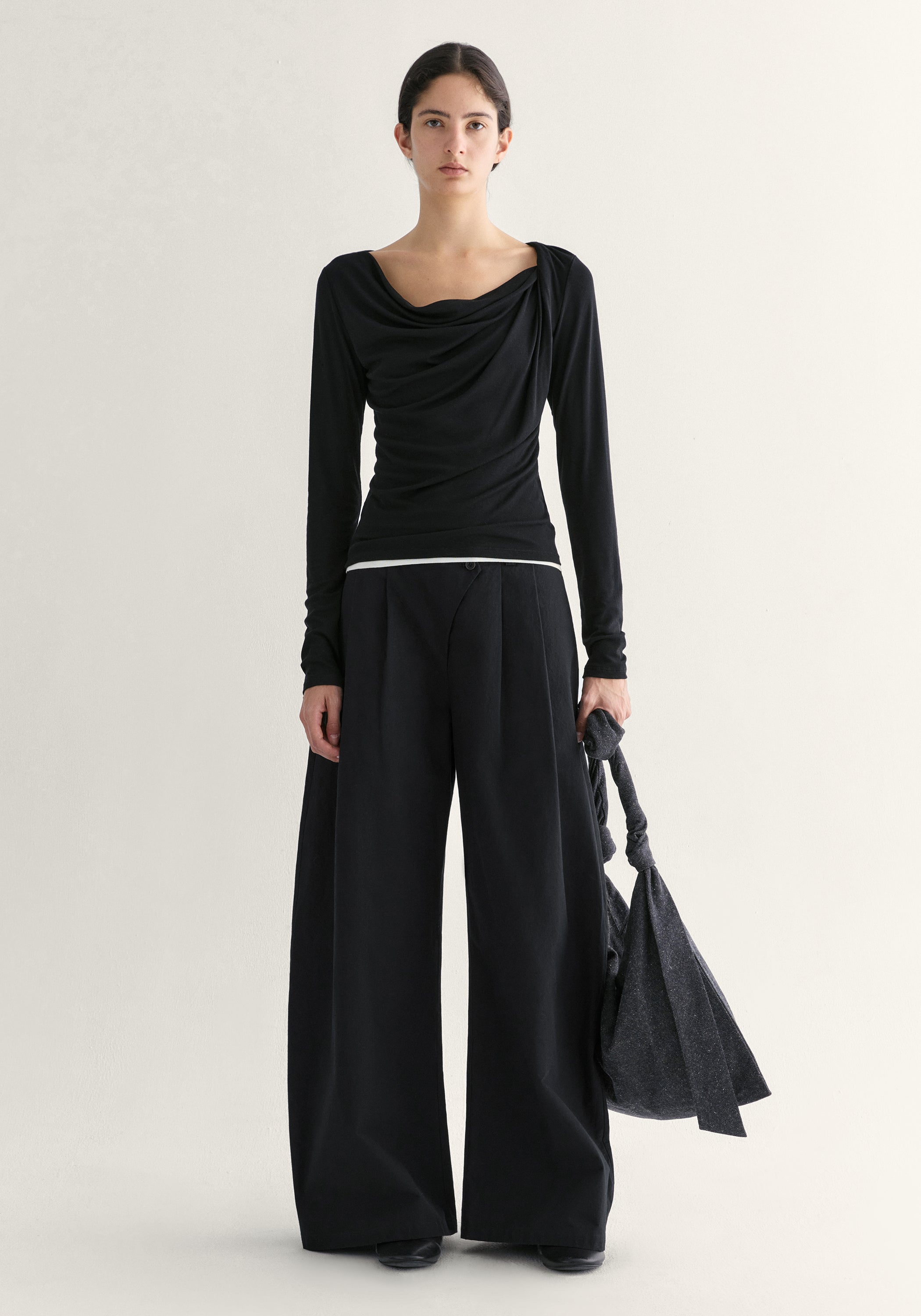


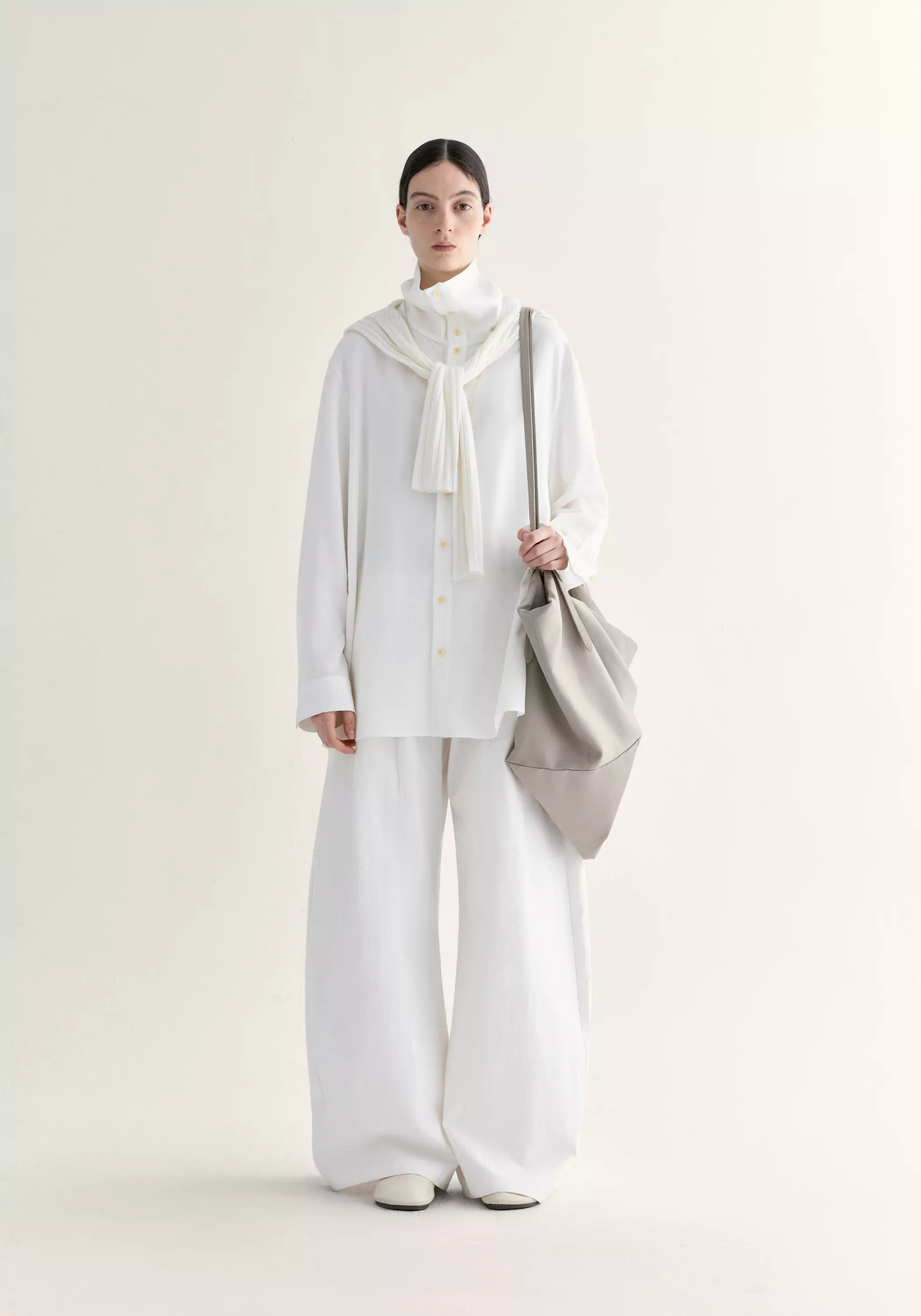
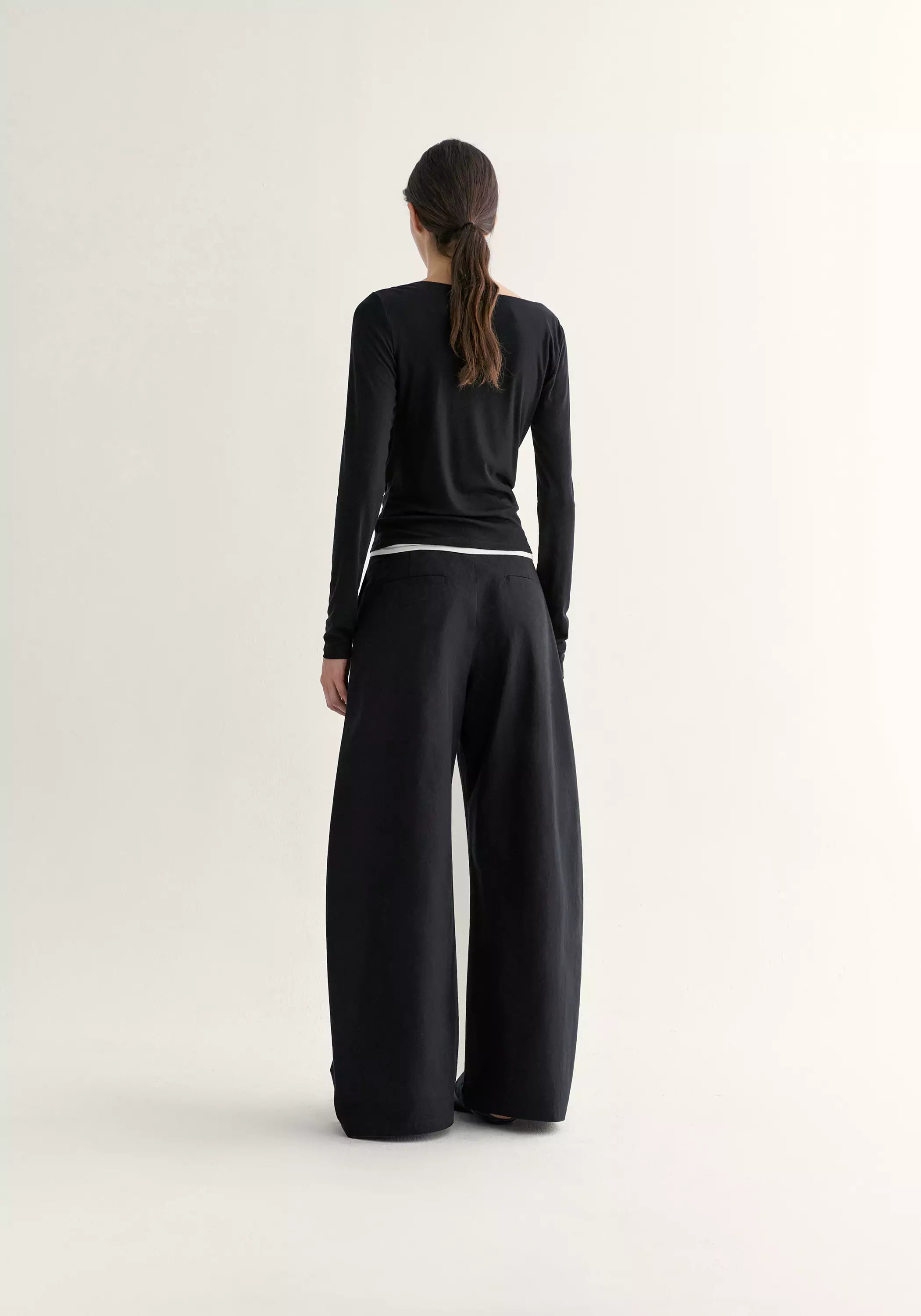


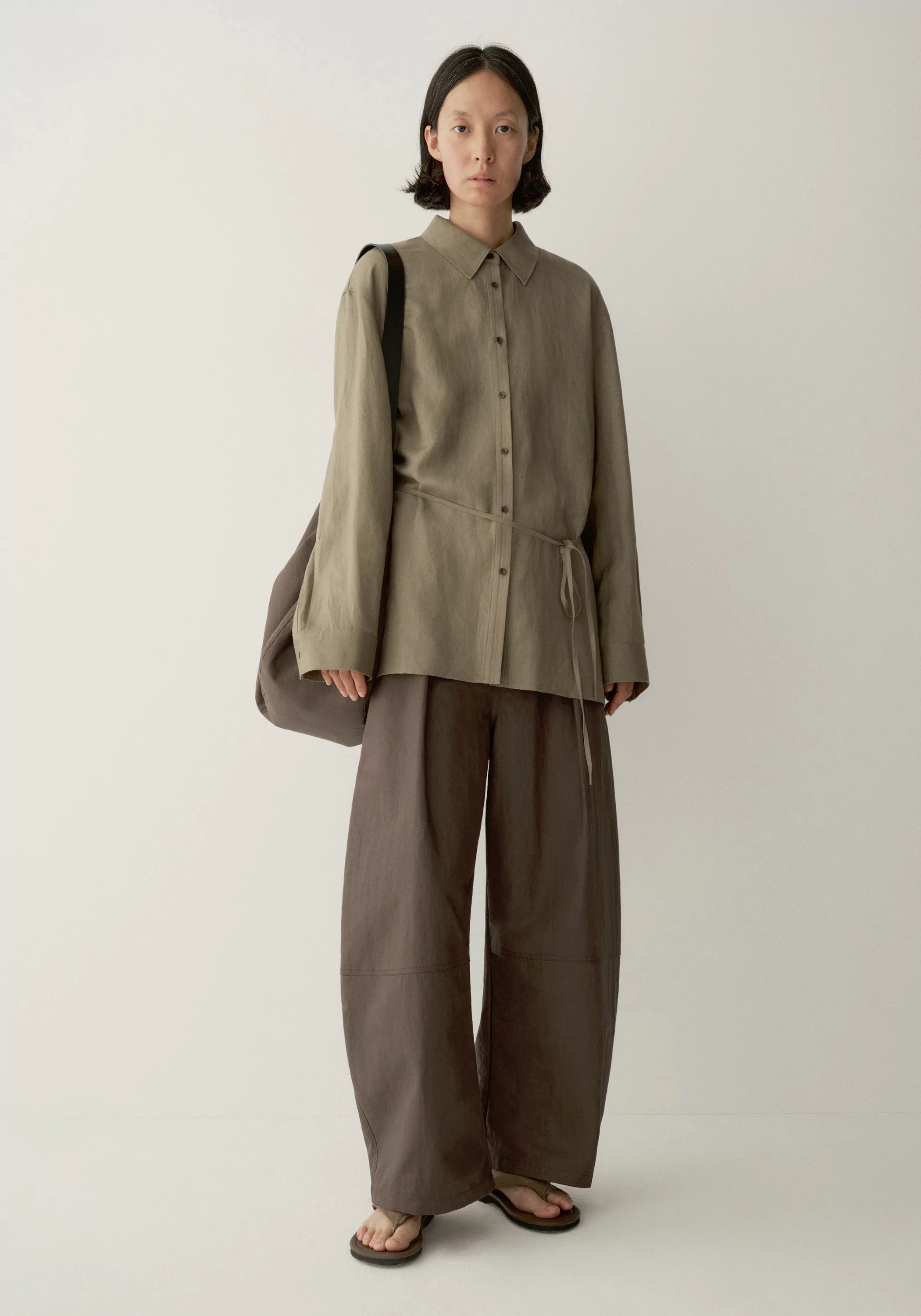
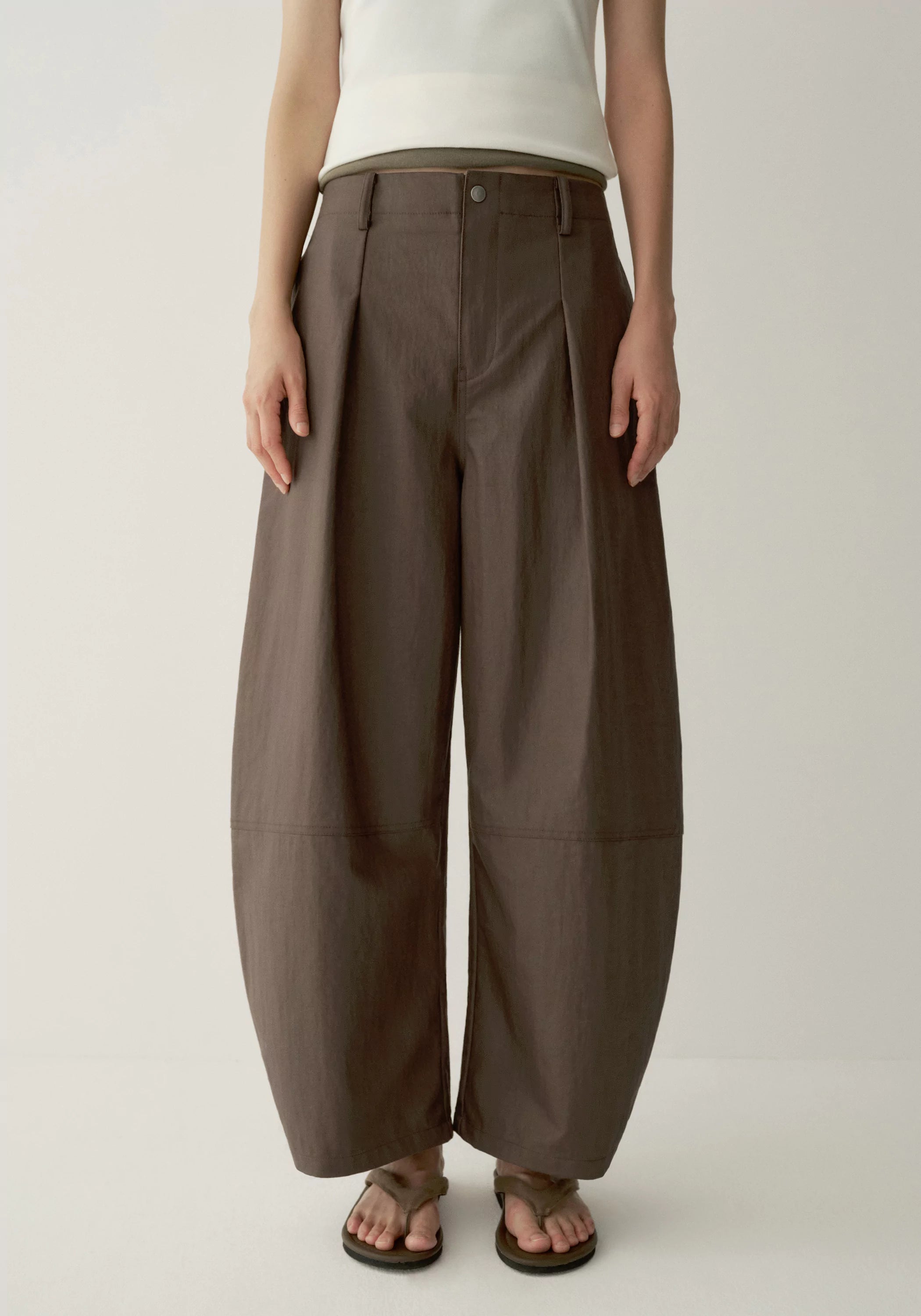
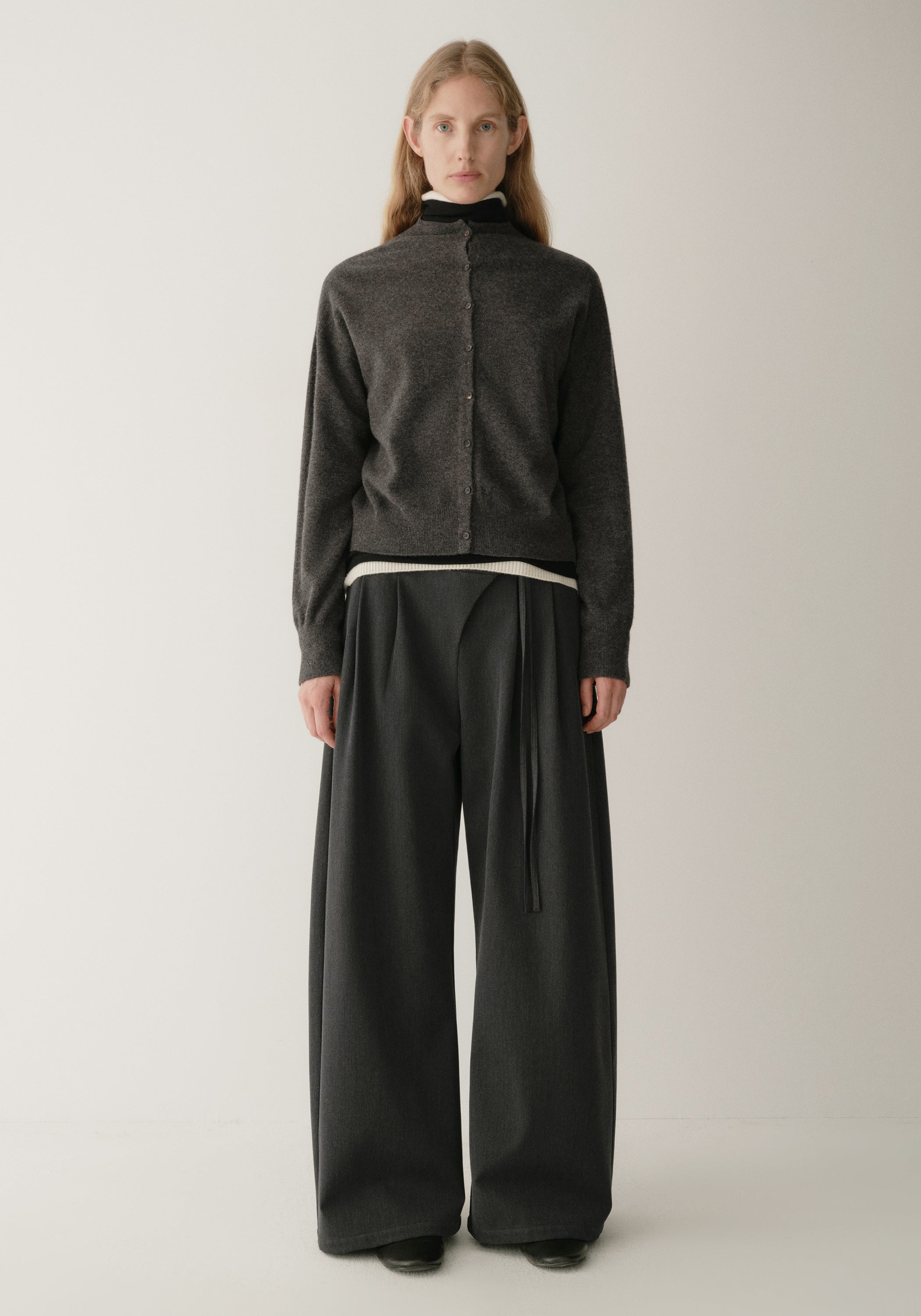
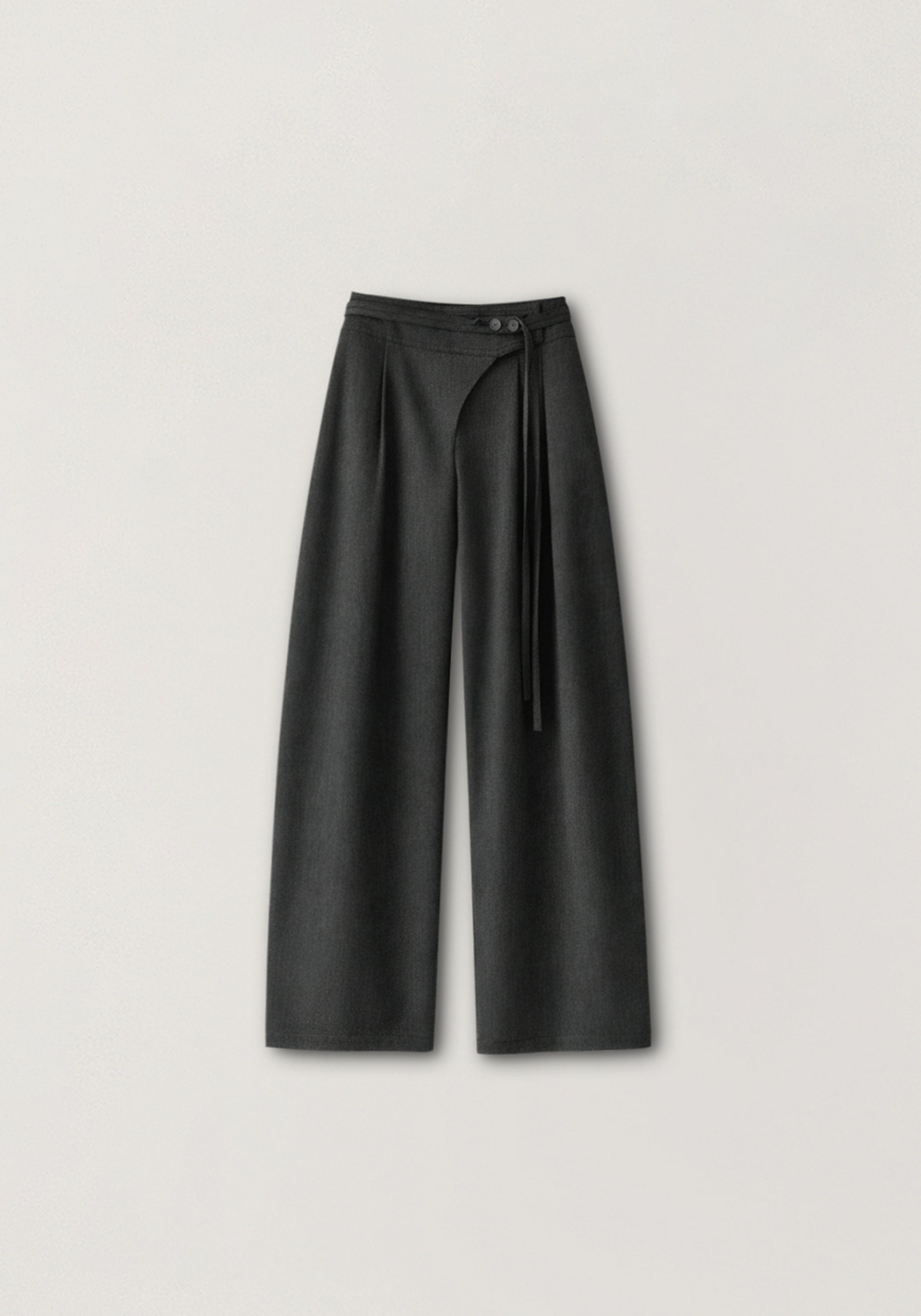
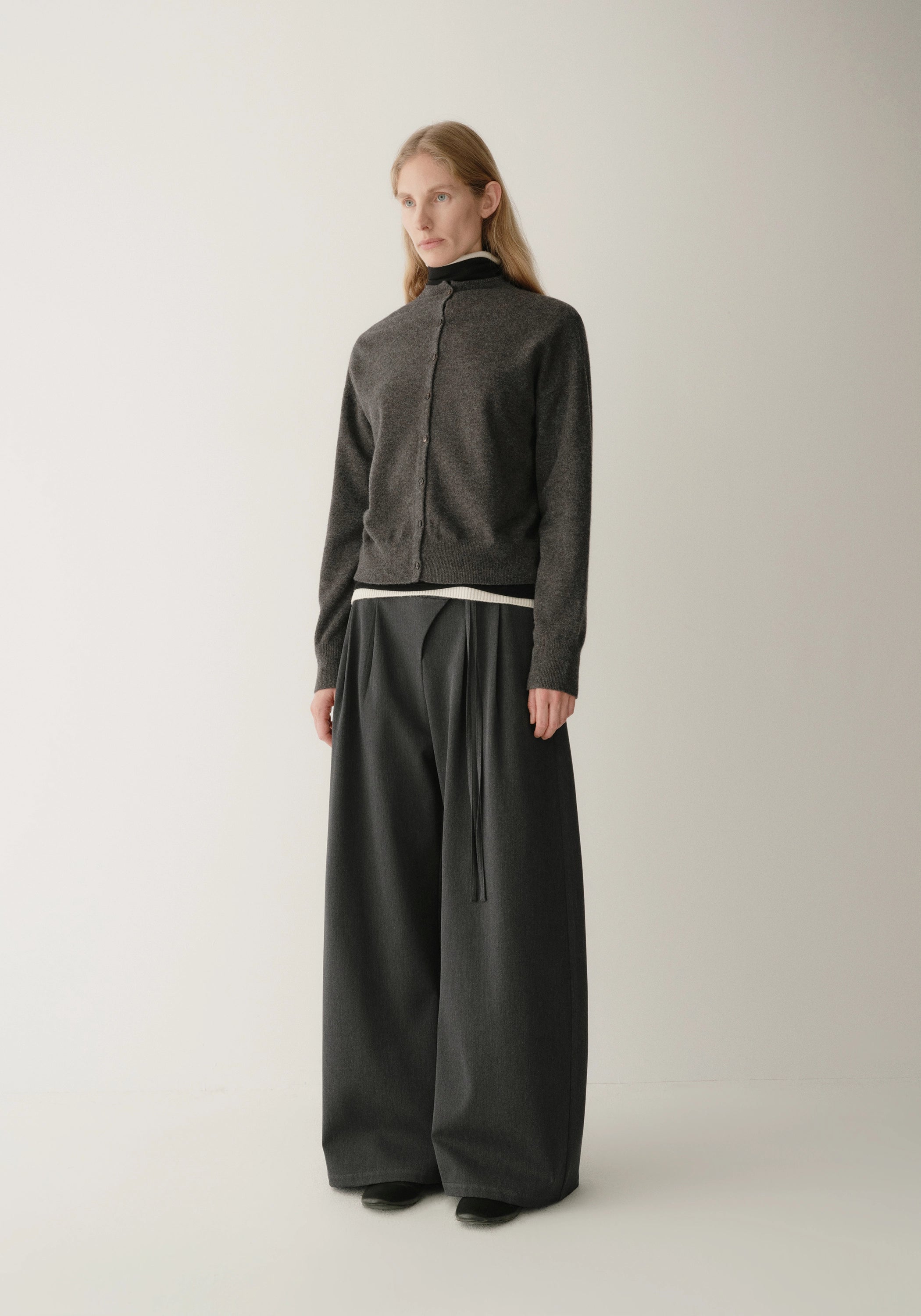
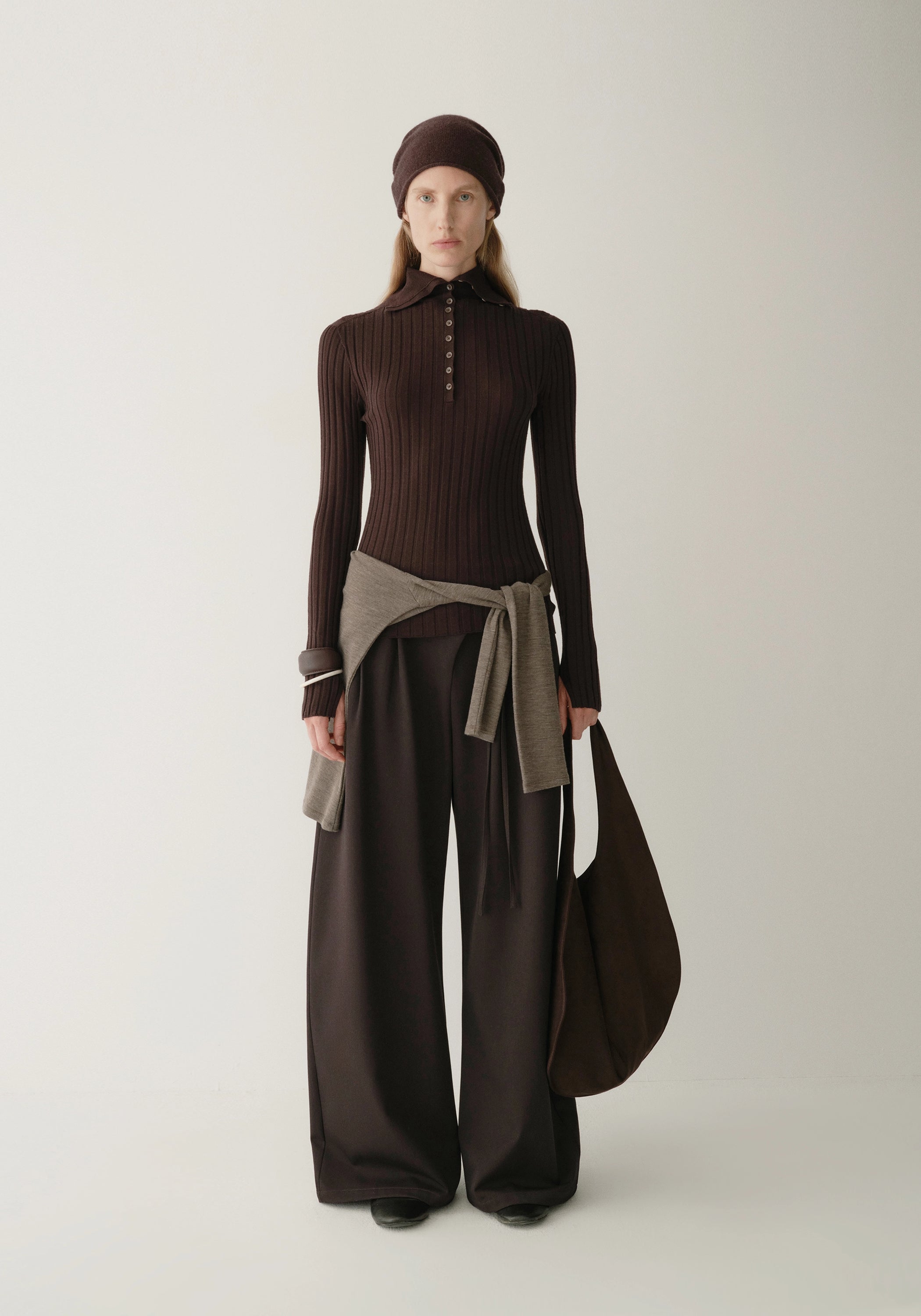
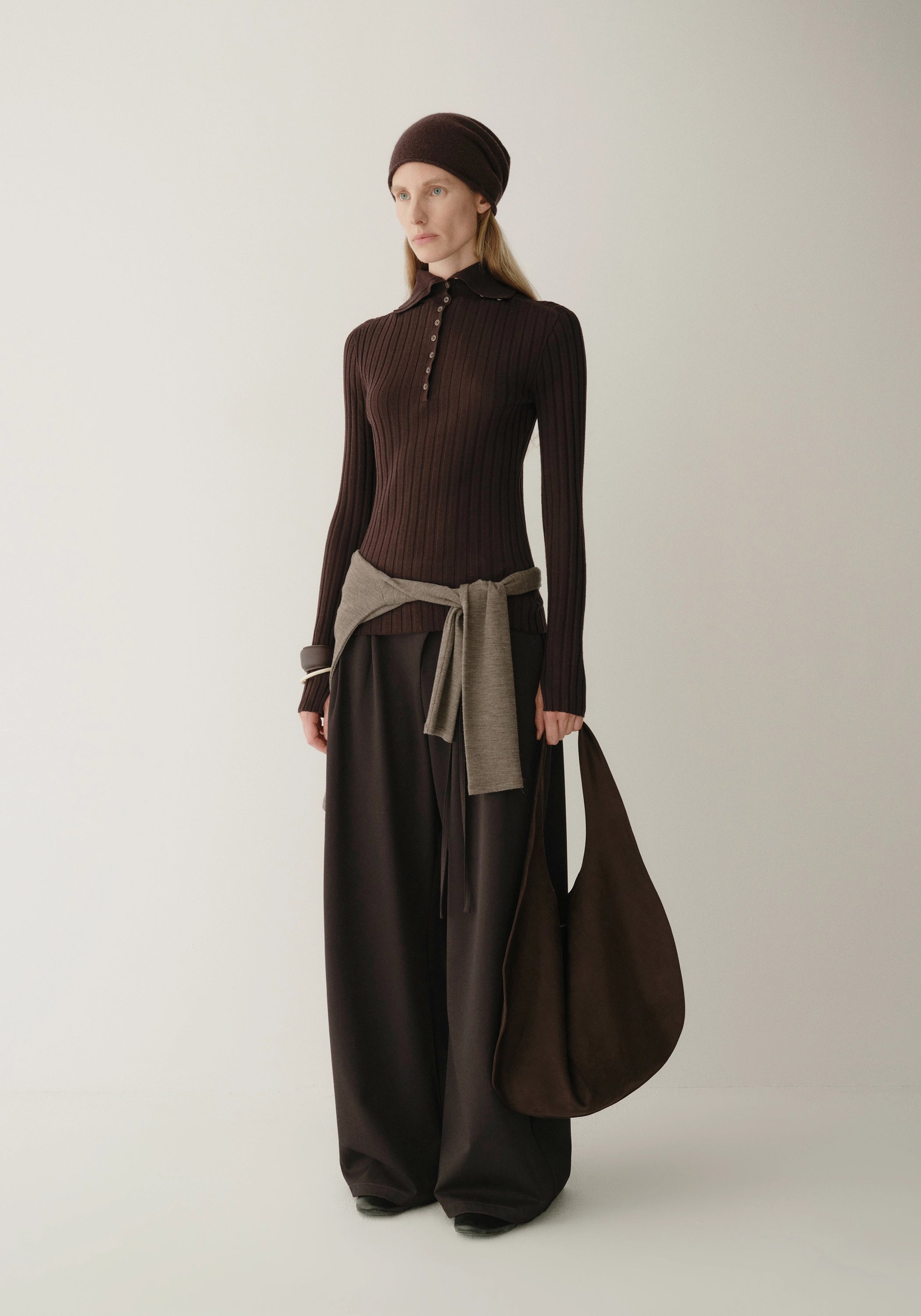
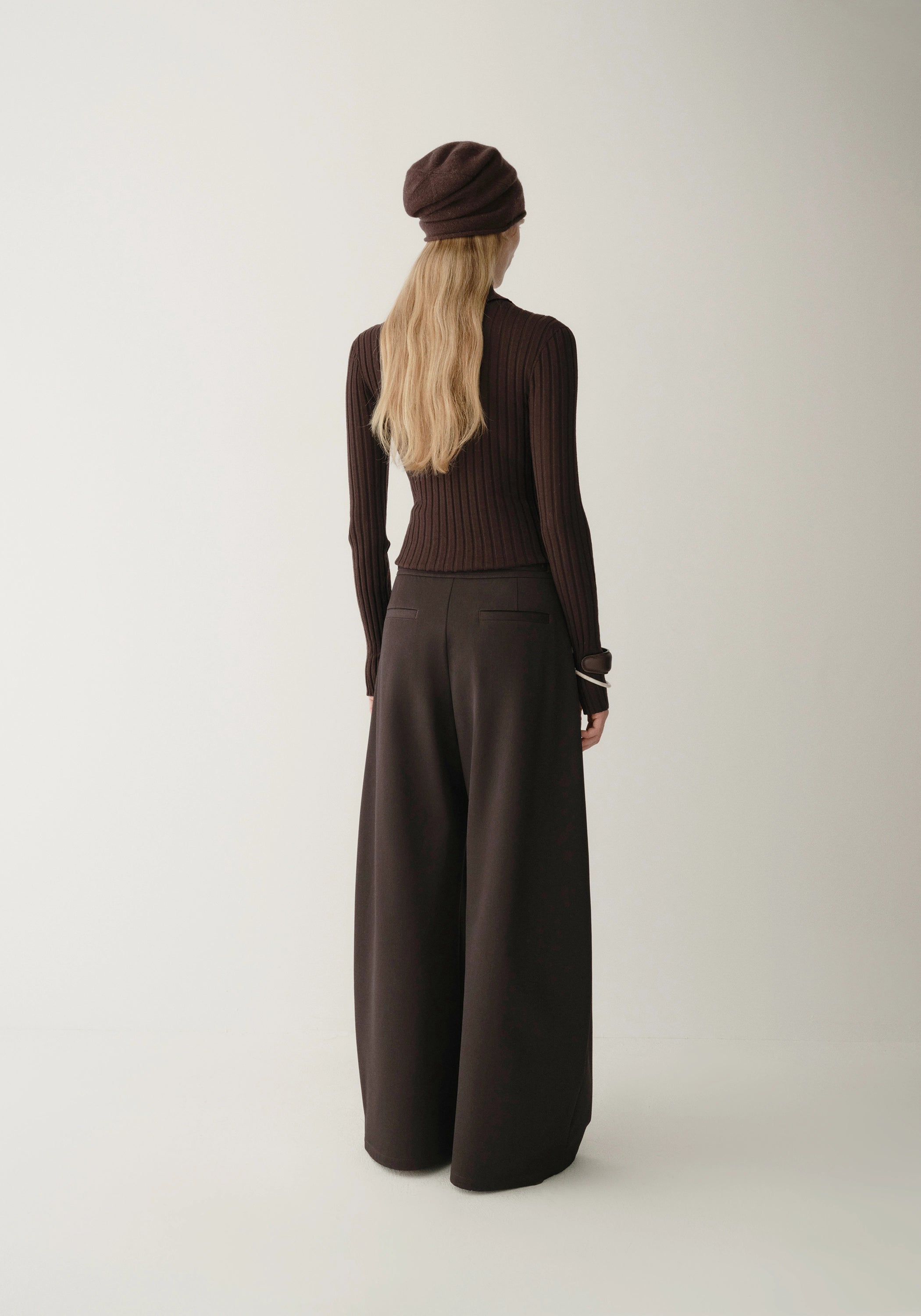
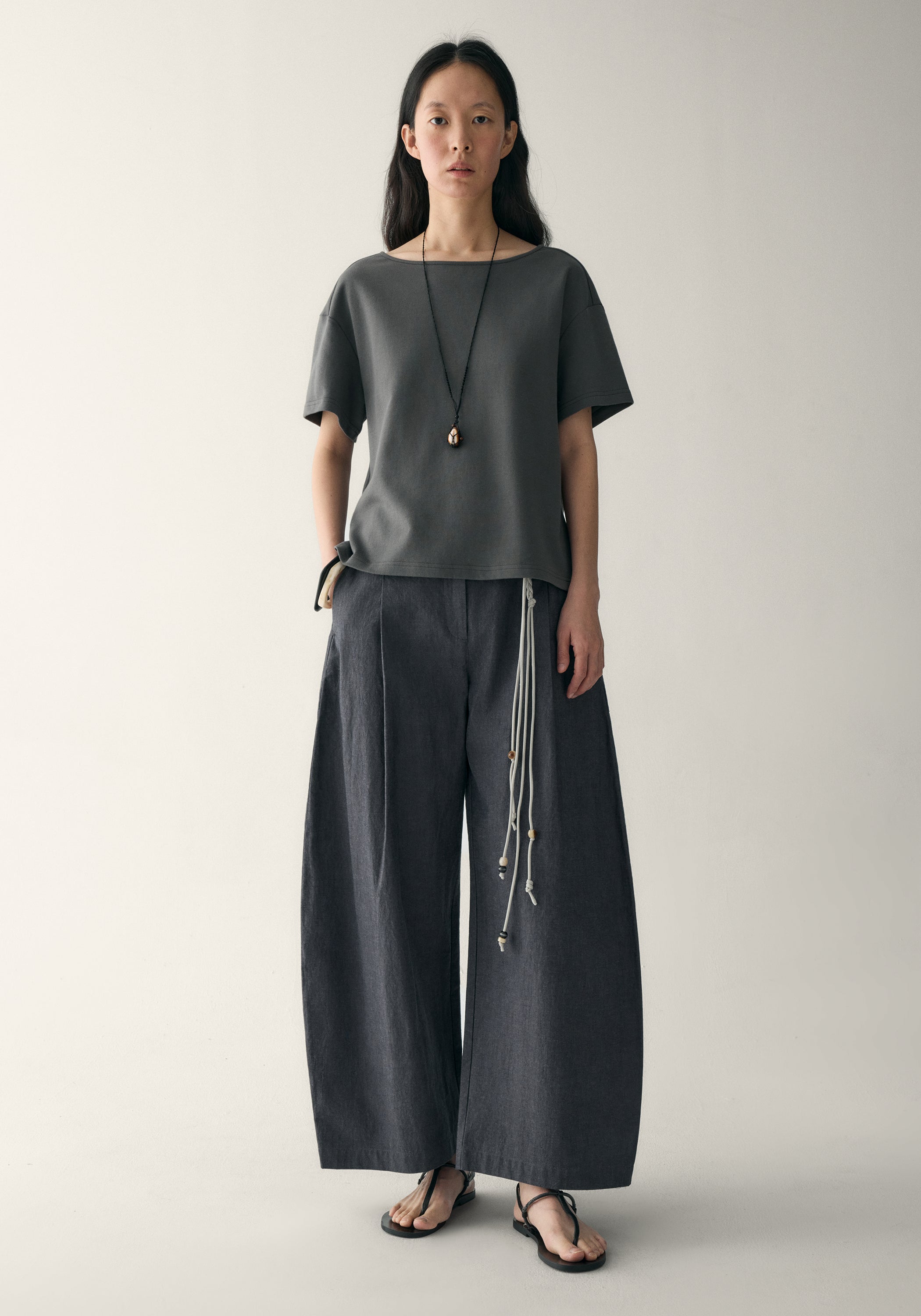
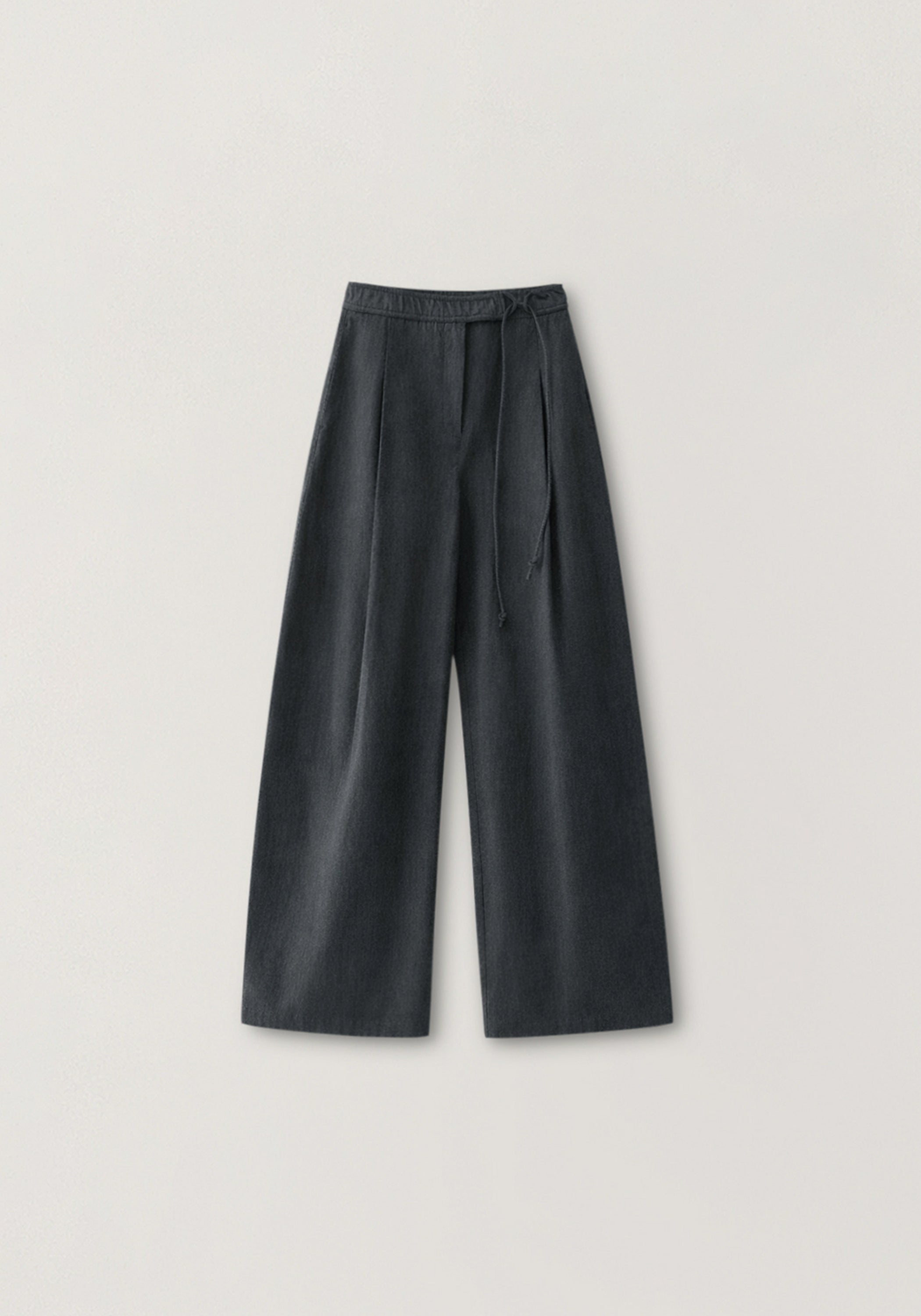
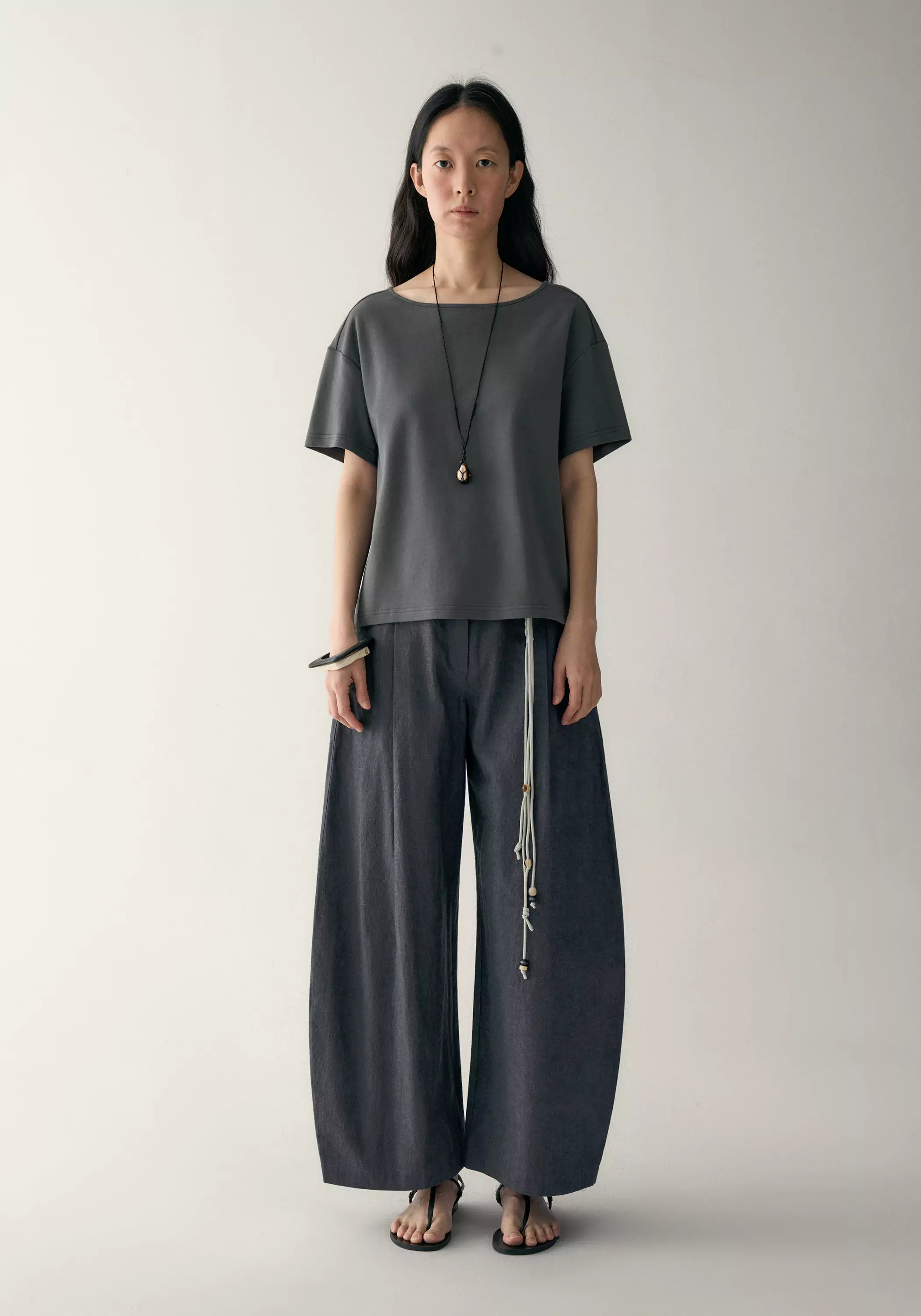
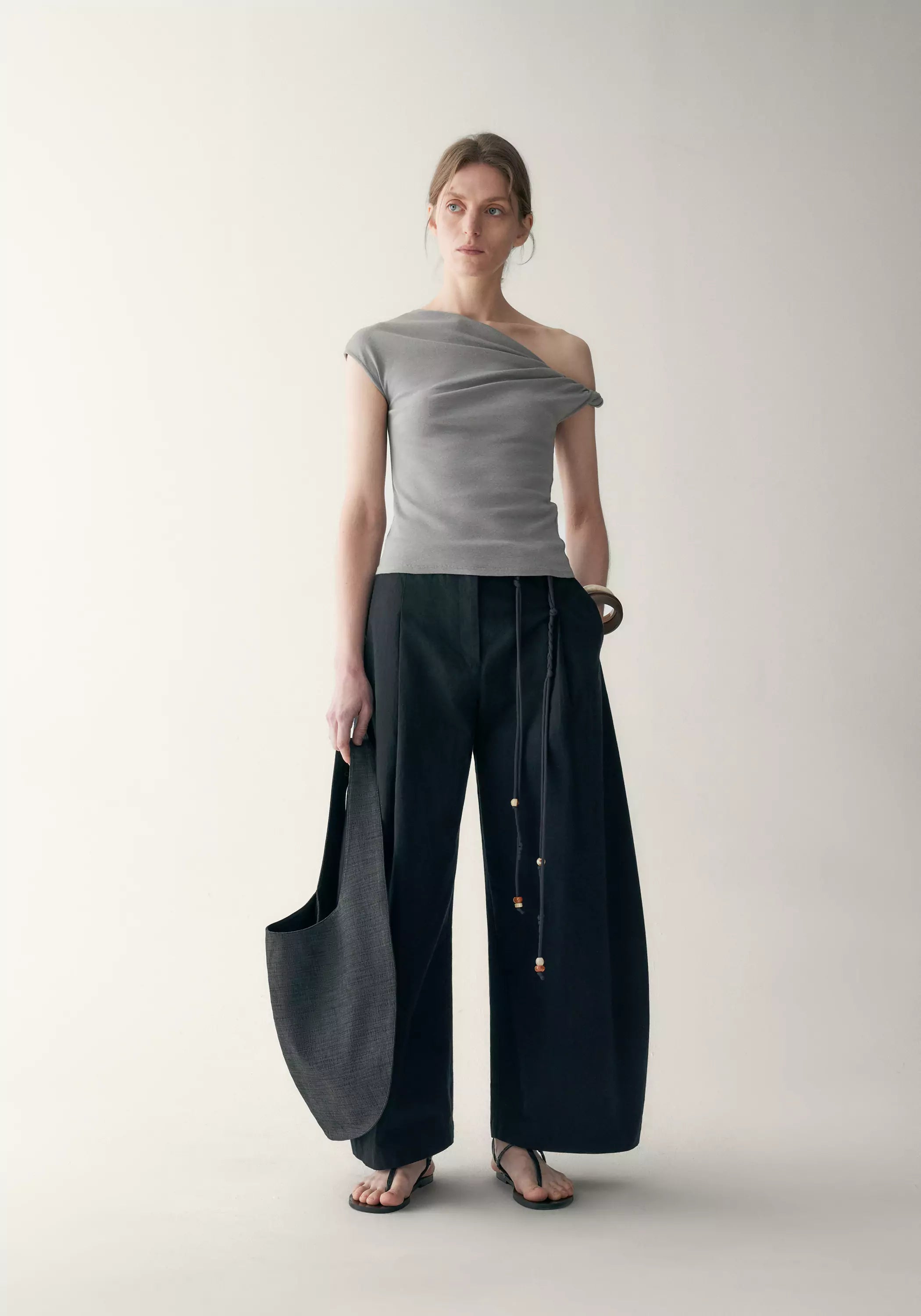
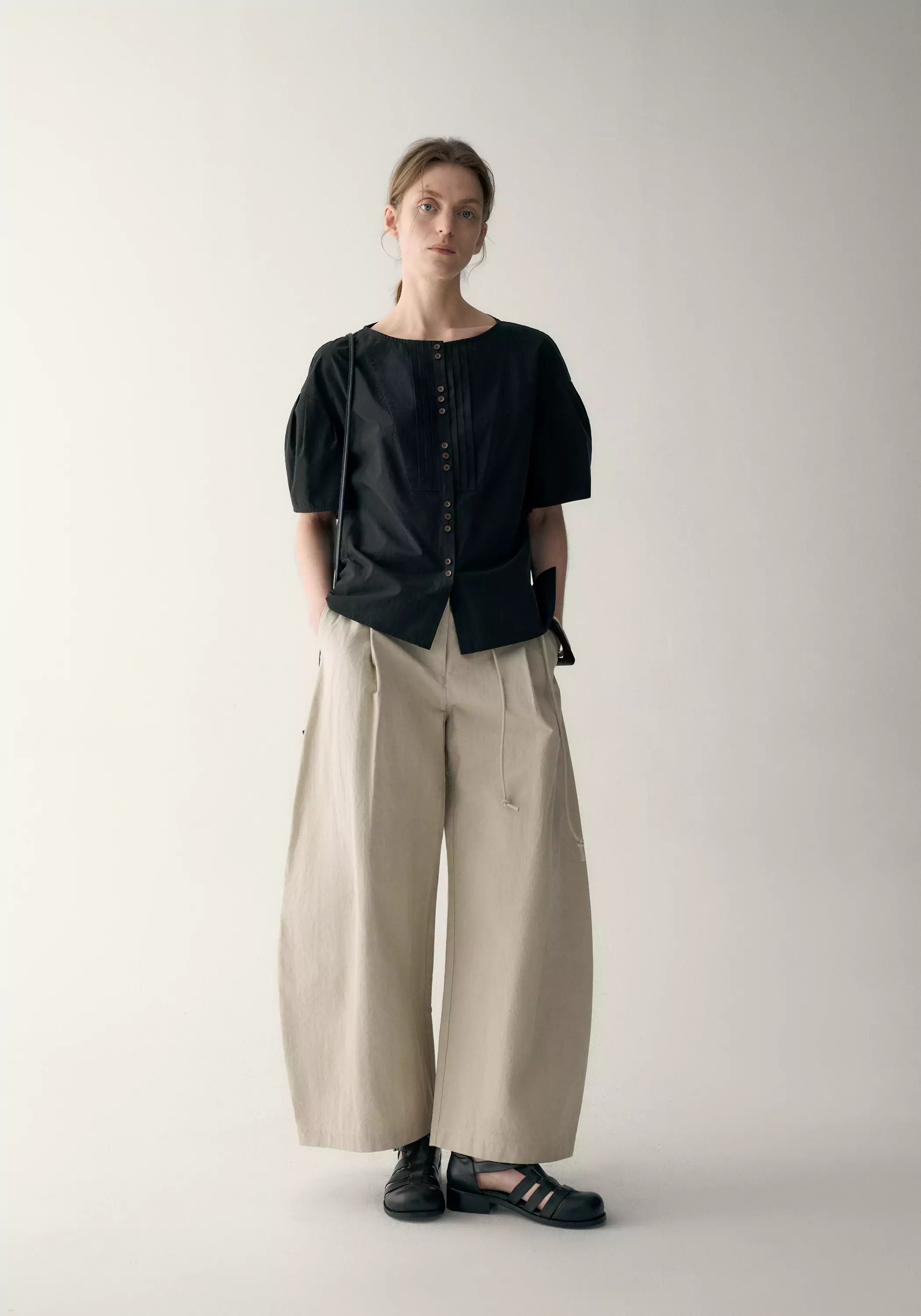
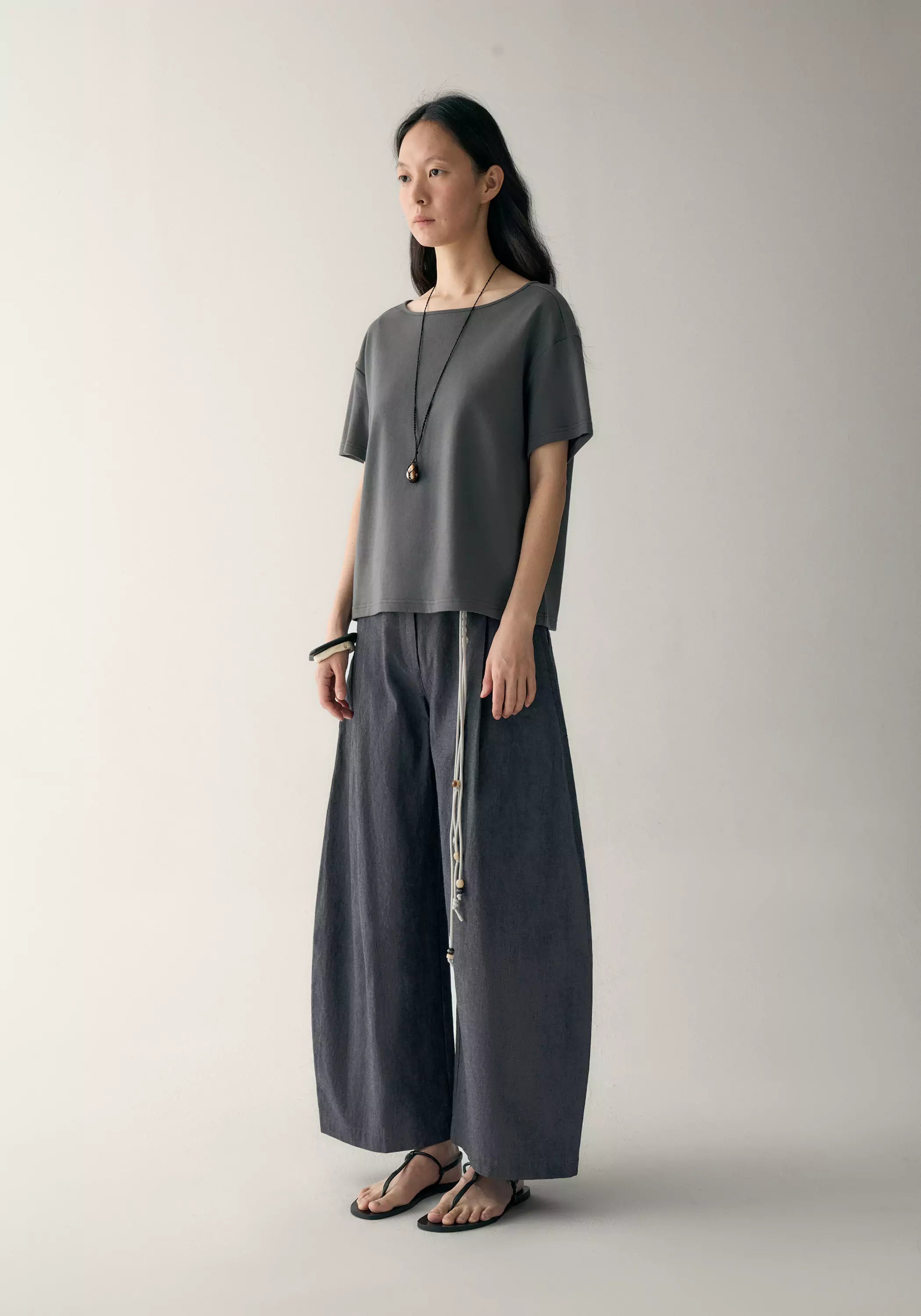
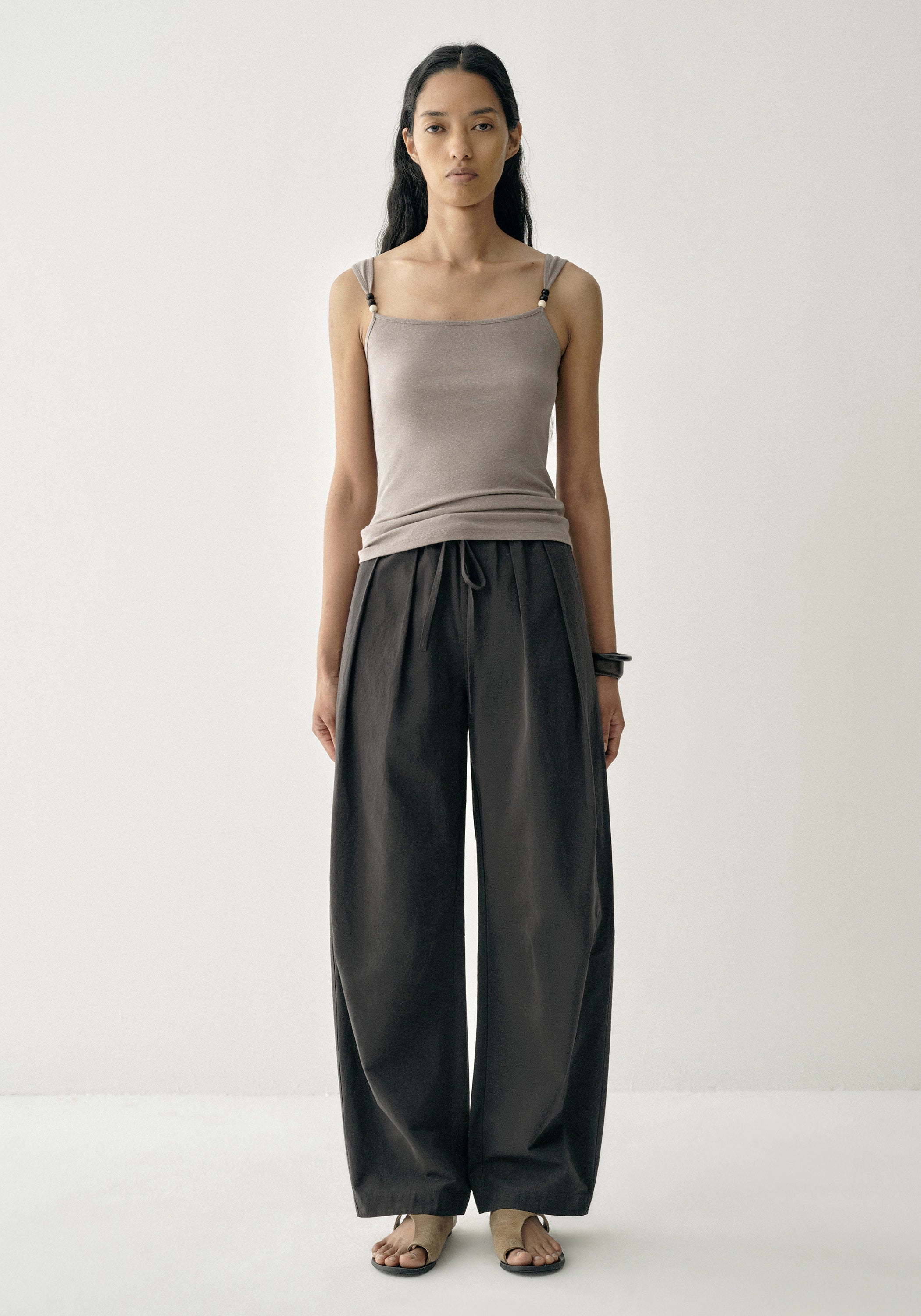
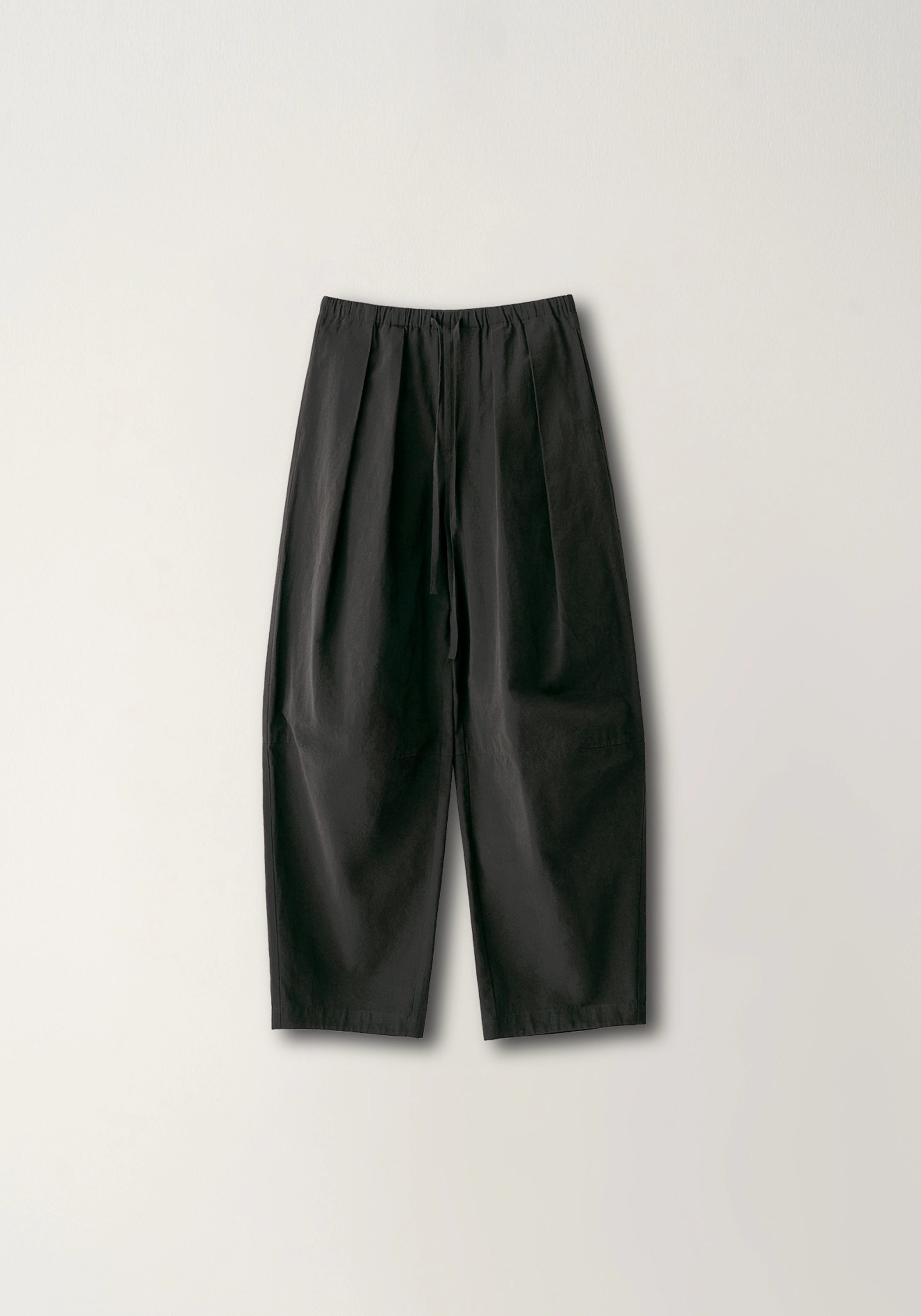
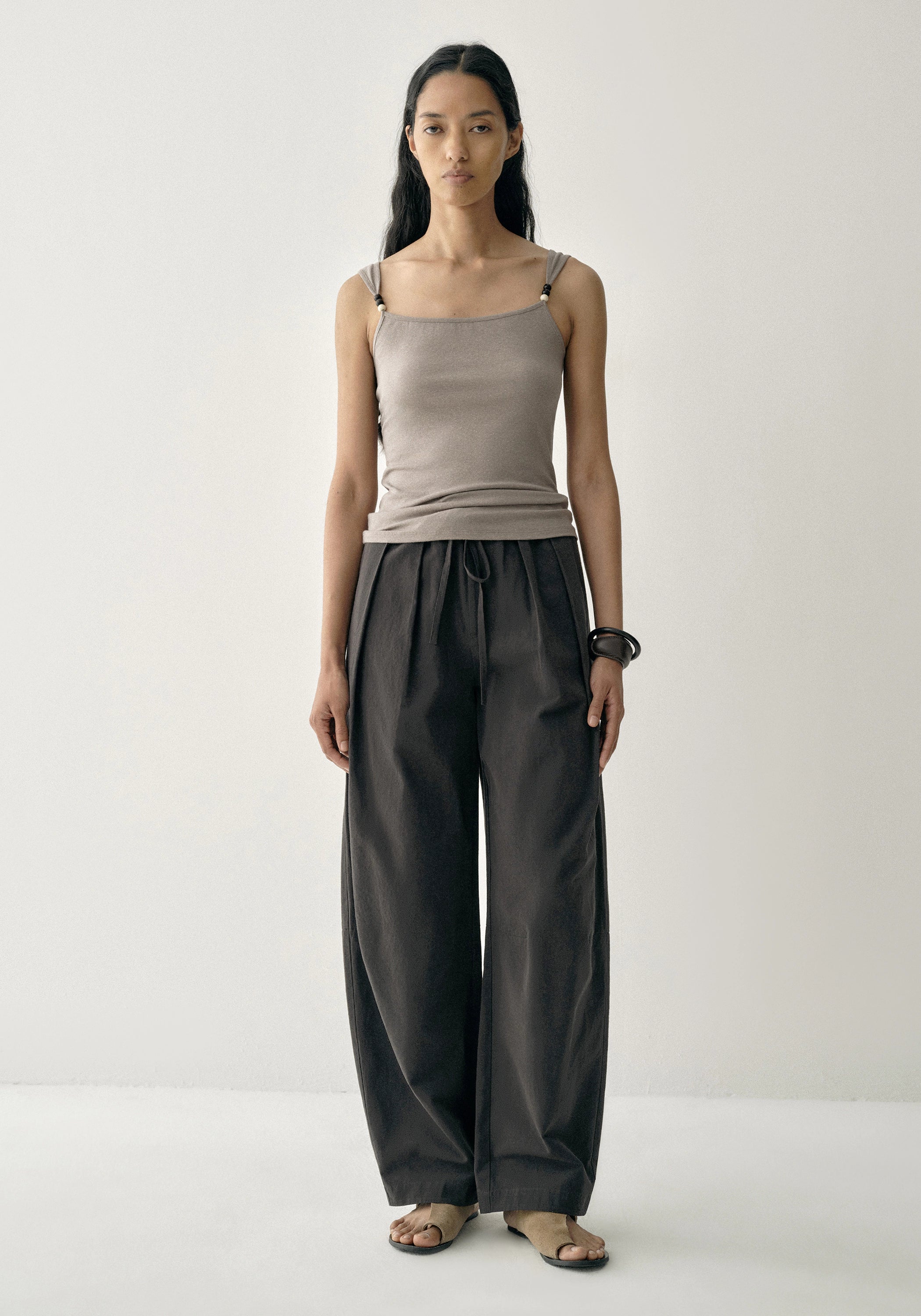
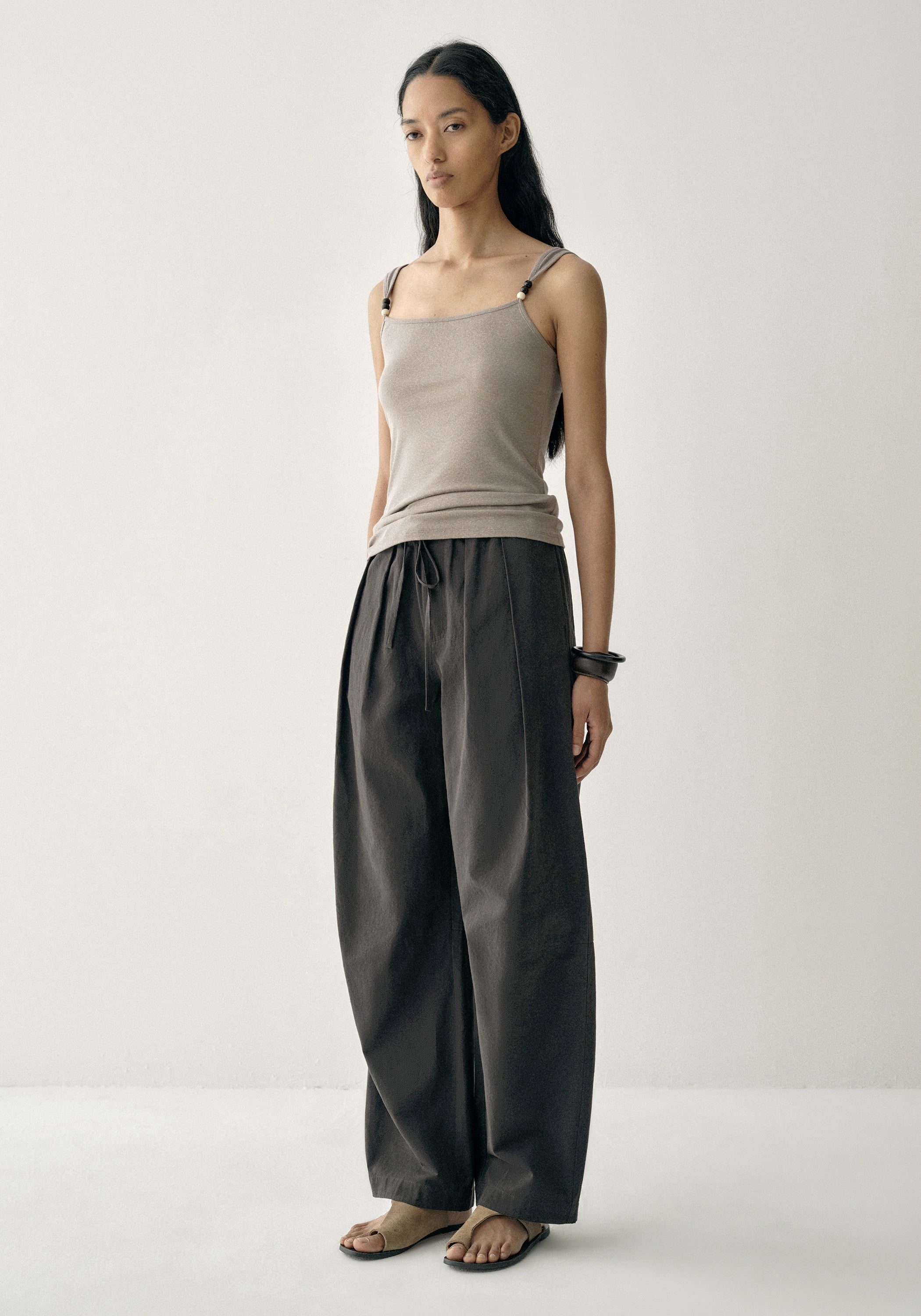
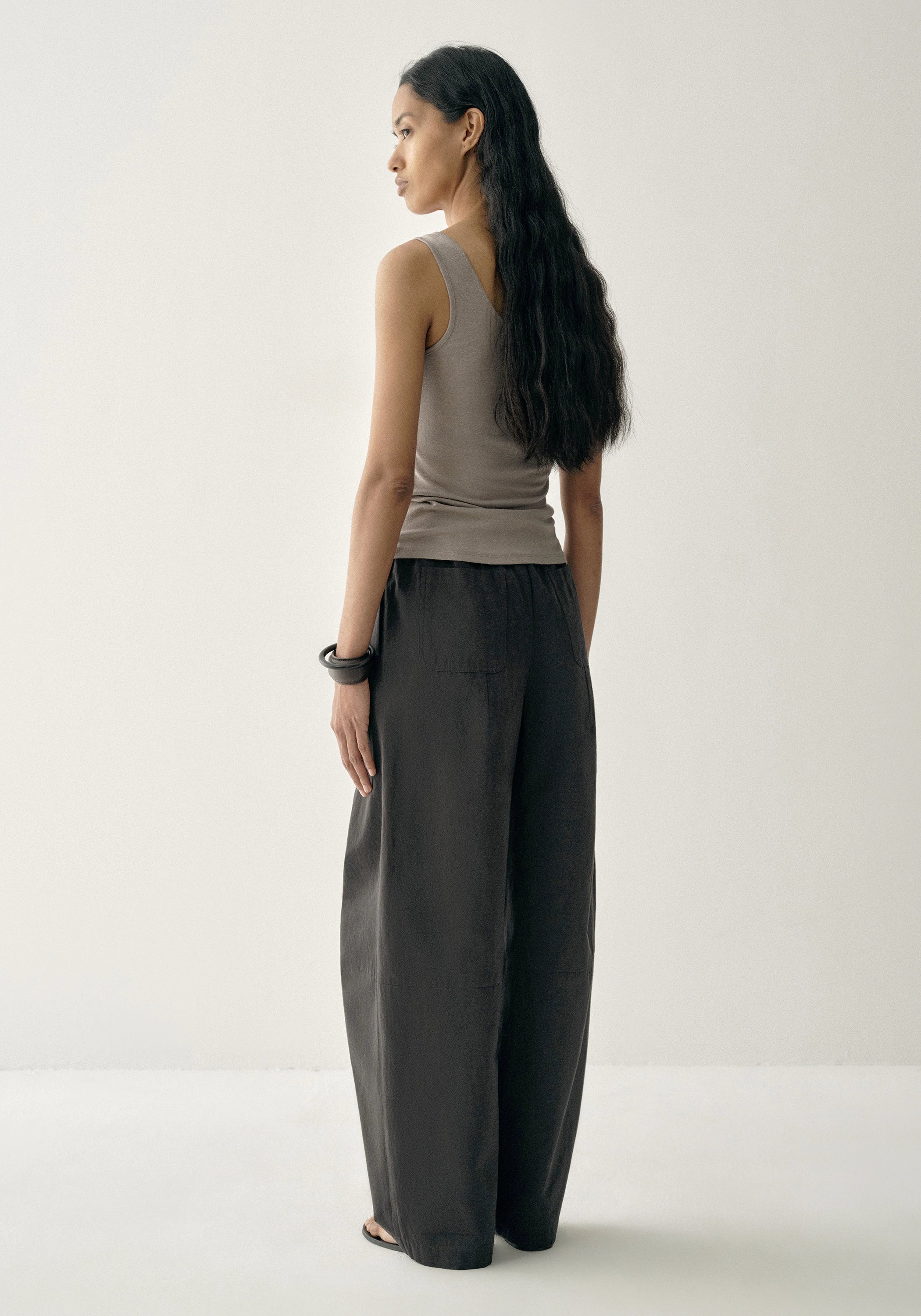
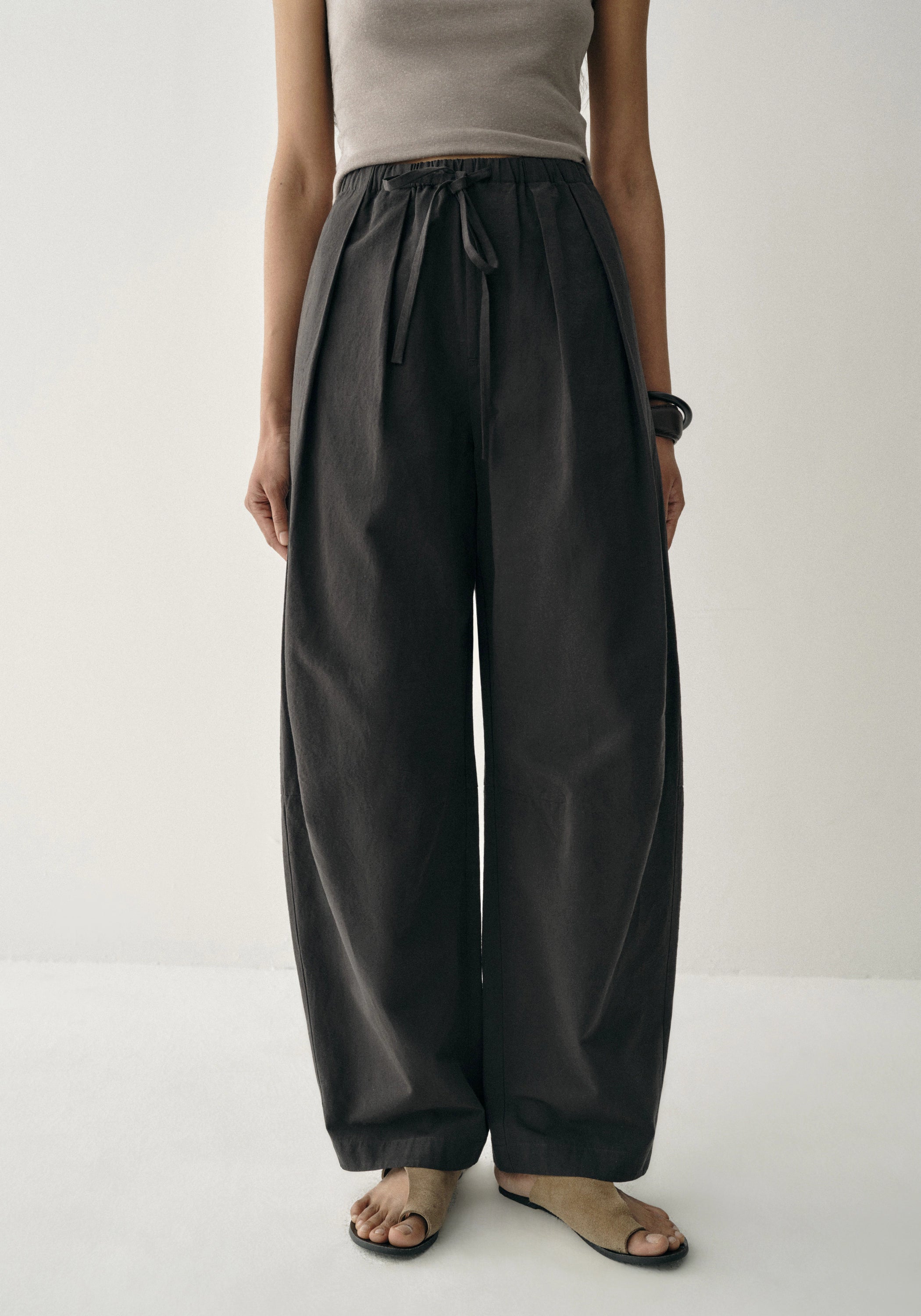
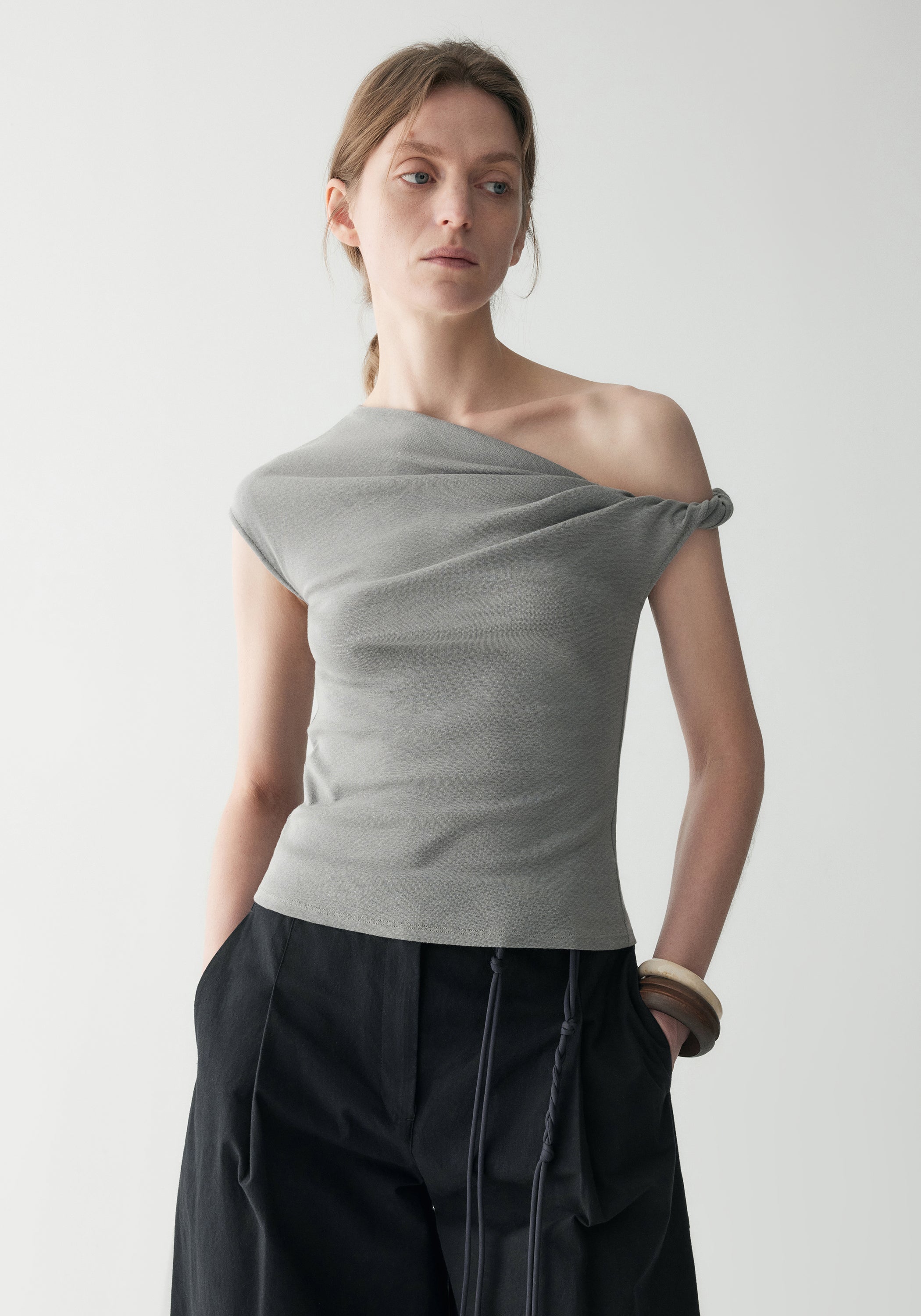

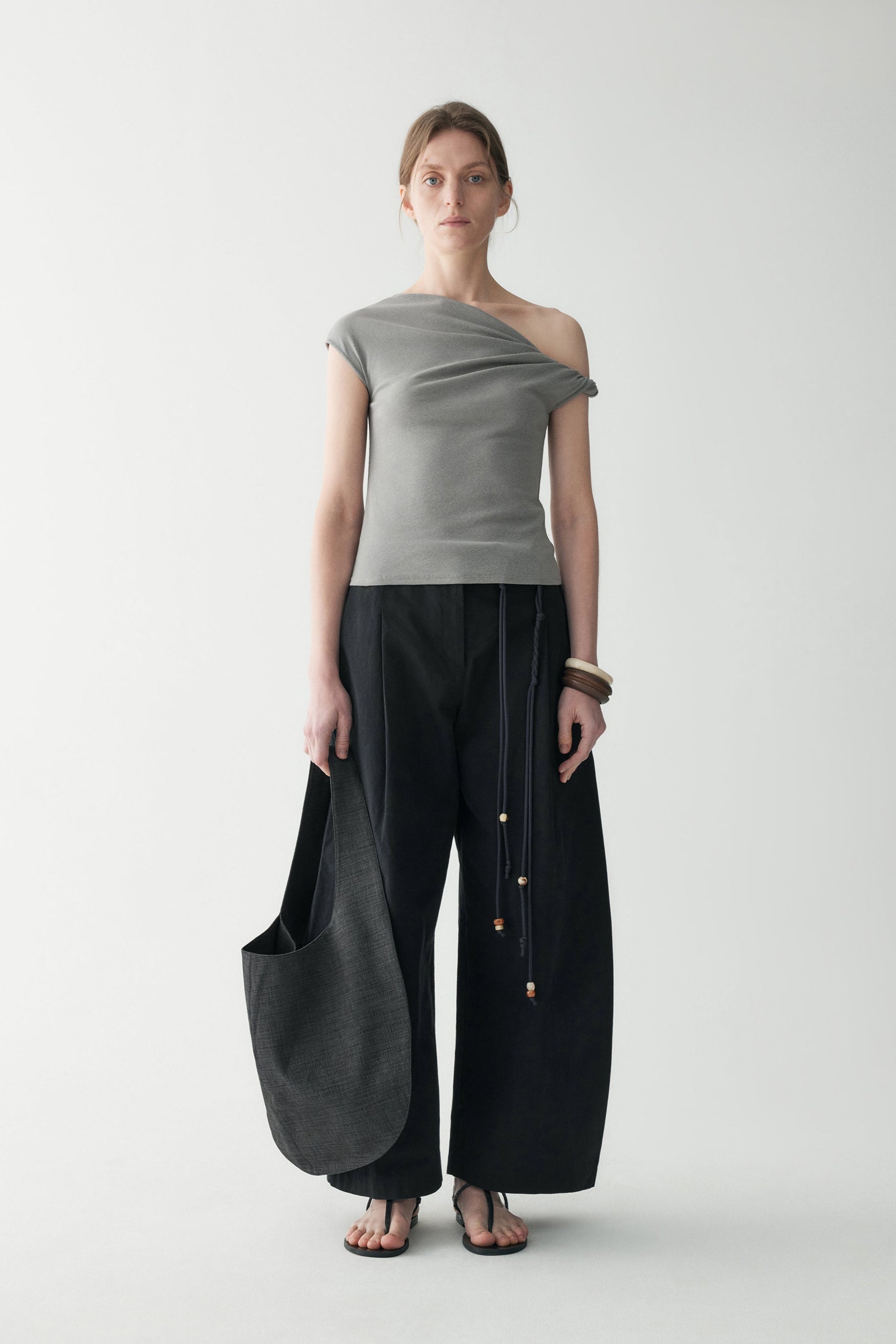
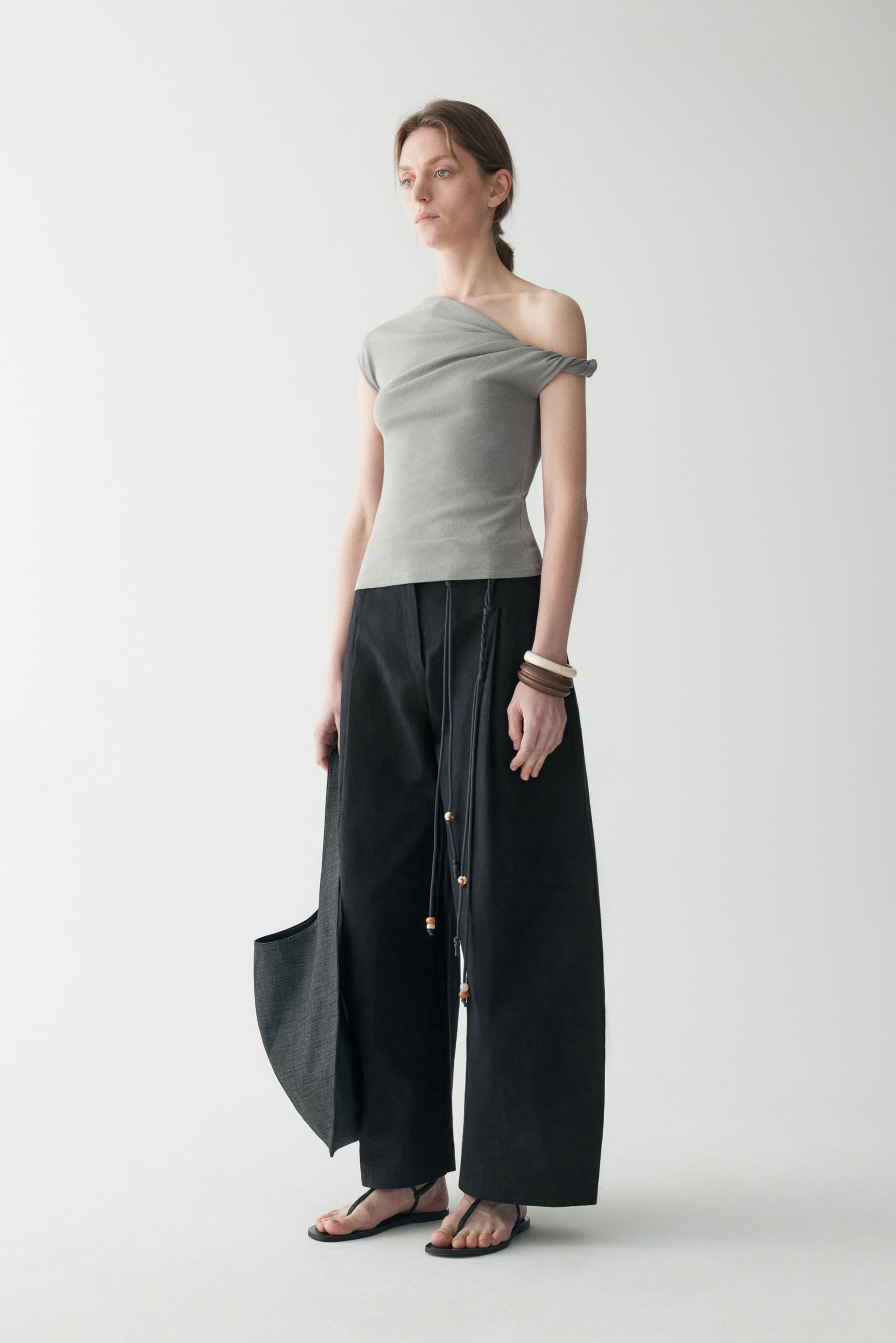
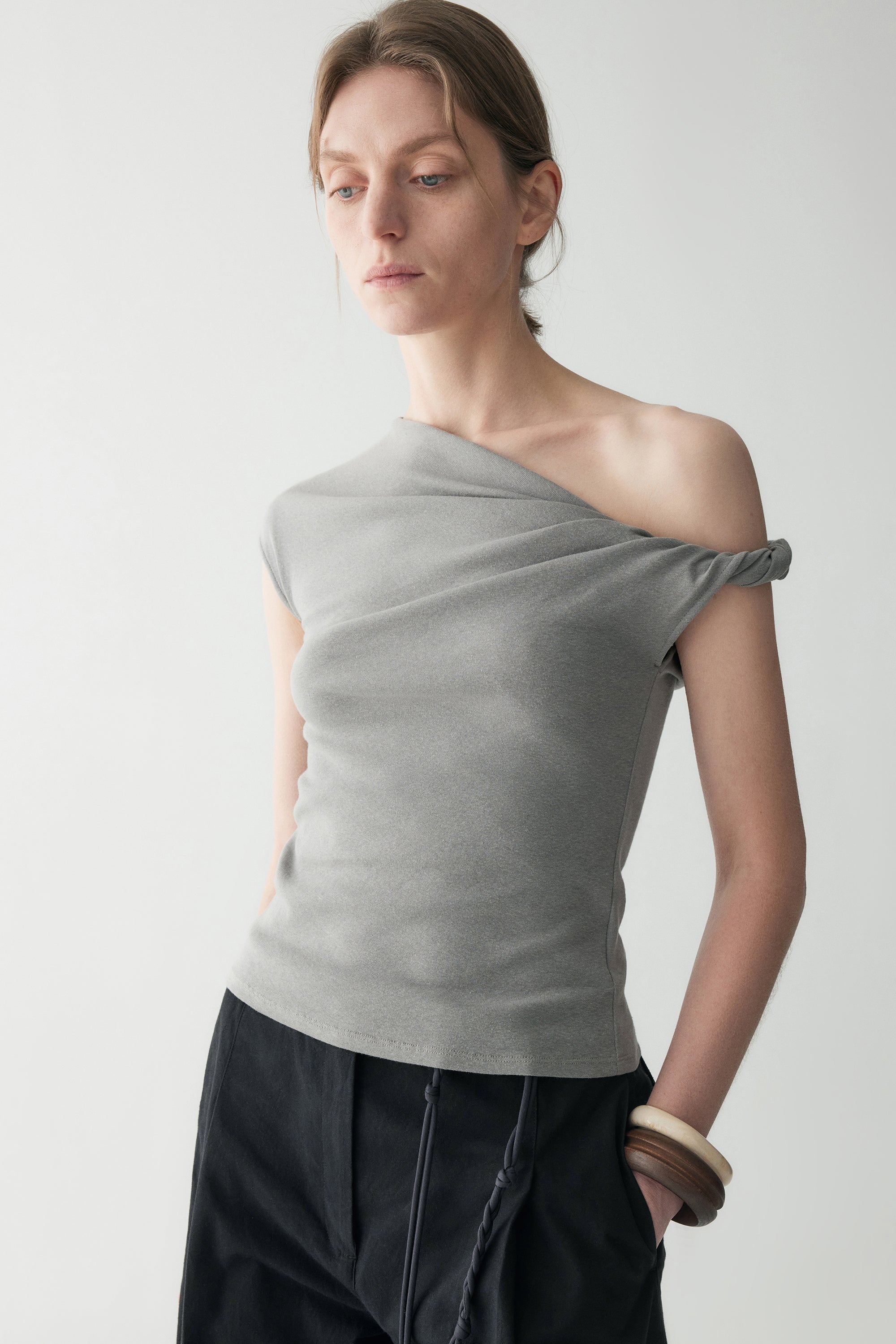


A garment begins with material.
At INSIS, material is the first relationship between clothing and the body.
We choose fabrics for how they breathe, move, warm, cool,
soften, hold shape, and stay with daily life over time.
Together, they form the foundation of a long-term wardrobe: lasting in quality,
comfortable in wear, and lighter in burden on the body, the wardrobe, and the world around it.

Softness with traceable origins.
Our organic cotton is certified through the Organic Content Standard (OCS), supporting the authenticity and traceability of its organic content.
Grown without synthetic pesticides, herbicides, or genetically modified seeds, organic cotton is gentler on the land and supportive of soil health and biodiversity. Compared with conventional cotton, its cultivation can also reduce water use, making it a more considered choice from fiber to garment.
Soft, breathable, and gentle against the skin, organic cotton is especially suited to pieces worn close to the body — bringing everyday comfort with a clearer origin.

Paper-light, dry to the touch.
Washi begins with the craft of paper-making.
Plant fibers are formed into paper, then cut and twisted into yarn before being woven into fabric. This process gives washi its distinctive texture: airy, dry, breathable, and quietly crisp.
Against the skin, it feels clean and airy, with a natural dryness that stays comfortable in warm weather. Structured yet weightless, washi brings the clarity of paper into everyday clothing.

Silk with texture and trace.
Tsumugi silk begins with a sense of care: no usable silk fiber is easily discarded.
Through refining, opening, and spinning, shorter and irregular silk fibers are brought back into yarn, allowing what might otherwise be left behind to return to the fabric itself.
The result is a quieter kind of silk: textured, breathable, and less glossy than conventional silk. Its natural slubs and subtle irregularities are not flaws, but traces of the fiber and the process behind it.
For INSIS, Tsumugi silk reflects a more thoughtful way of making: preserving what already exists, reducing unnecessary waste, and letting silk become part of everyday wear.

Strength from the earth, higher on the land.
Hemp is one of the most resource-conscious natural fibers we use.
It grows quickly, requires less water than many conventional crops, and has a lower dependence on pesticides and herbicides. Its strong root system can also support soil health, making hemp a fiber closely connected to the land it comes from.
Dry, breathable, and naturally strong, hemp gives fabric structure and resilience while carrying a lighter environmental burden. For INSIS, it is a material of both strength and restraint.

Coolness with structure.
Ramie is an ancient plant fiber known for its dry touch, breathability, and natural crispness.
It leaves space between fabric and skin, bringing air, structure, and a clean line to summer dressing. Its beauty lies not in softness alone, but in the way it holds its shape.

Light held in fiber.
Our linen is sourced from France, where flax grows in a cool, temperate climate well suited to fine, long fibers.
Light, breathable, and naturally textured, linen carries a subtle silken sheen. The finer the weave, the softer the light becomes, giving the fabric a clean brightness without heaviness.
Against the body, it feels dry, airy, and easy to wear — a summer material that holds light, moves with air, and softens beautifully over time.

Warmth that breathes.
Our wool is certified by the Responsible Wool Standard (RWS) and OEKO-TEX STANDARD 100, reflecting standards for animal welfare and textile safety.
Fine and soft to the touch, wool naturally breathes and wicks moisture, helping the body stay warm without overheating. Its elasticity allows garments to hold their shape, stay neat, and resist wrinkling through daily wear.
Renewable and biodegradable, wool brings together comfort, function, and lasting quality — a material made for a longer relationship with the wardrobe.

At INSIS, long-termism begins with material.
We choose fabrics that can be worn often, cared for reasonably, and kept in the wardrobe for
longer. This is how we think about sustainability: not as a slogan, but as a slower, more
responsible way of making and wearing clothes.

Lasting quality
Materials that hold their form, touch, and character over time.
Ease in wear
Fabrics that move with the body, breathe naturally, and feel comfortable in real life.
Lighter burden
Material choices that ask where clothing comes from, how it is made, and how long it can stay in use.
